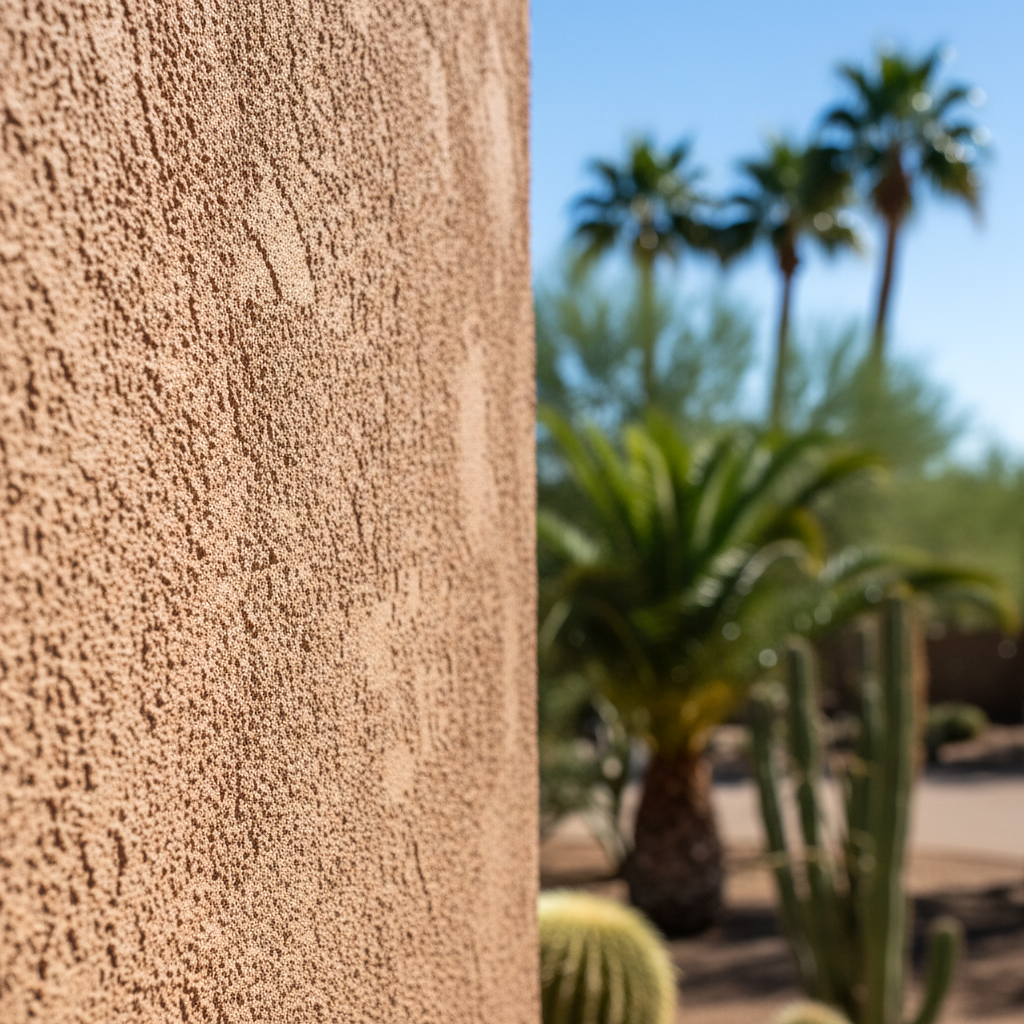
Alright, let's talk about stucco replacement. Maybe your home's stucco is looking pretty rough, cracked beyond a simple patch job, or maybe you just want a completely fresh look. It's a big project, no doubt about it, and you're probably wondering what you can handle yourself and when you absolutely need to call in a pro. I've seen a lot of stucco in Scottsdale over the years, and believe me, there's a right way to do this, and then there's the wrong way.
Before You Even Think About Tearing Anything Down
First things first, you need to figure out if you actually need a full replacement. Sometimes, what looks like a total disaster is just a few bad spots that can be patched up, or maybe it just needs a good redashing. If you've got widespread cracking, crumbling, or significant water damage — especially around windows and doors — then yeah, replacement might be on the table. But don't jump the gun without a proper assessment, okay?
You'll want to check for signs of water getting in. Are there dark streaks under windows? Soft spots in the walls? These are big red flags. Here in Scottsdale, with our intense sun and those occasional monsoon downpours, stucco really takes a beating. Water can sneak behind the stucco and cause all sorts of hidden problems you won't see until you start opening up the walls. This is exactly where a professional inspection can save you a lot of headaches and money down the road. They can use moisture meters and even thermal imaging to see what's going on beneath the surface without tearing anything out.
DIY vs. Pro Stucco Replacement: The Breakdown
Let's be real: full stucco replacement isn't a weekend warrior project. This isn't like painting a bedroom. This involves your home's structural integrity, its weatherproofing, and a whole lot of specialized knowledge. Here's my take on what you might be able to handle and what you absolutely should leave to the pros:
- Demo (Maybe): If you're physically capable and have the right safety gear, you could demo the old stucco yourself. But be warned: it's incredibly dusty, super messy, and you need to be careful not to damage the underlying sheathing or framing. You'll also need to properly dispose of all that debris, which can be a huge amount.
- Inspecting the Substrate (Pro): Once the old stucco is off, you'll expose the house wrap, sheathing, and framing. This is a critical inspection point. Are there rotten studs? Is the sheathing compromised? Any signs of termites or other pests? Unless you're a licensed contractor or home inspector, you're probably not equipped to accurately assess these issues. A pro knows exactly what to look for and how to fix it properly.
- Applying New Stucco (Definitely Pro): This is where the real skill comes in. Stucco isn't just slapping mud on a wall, you know? It's a multi-layer system that needs to be applied correctly for durability, weather resistance, and good looks. You've got the scratch coat, the brown coat, and the finish coat, all applied at specific thicknesses and with proper curing times. Getting the mix right, applying it evenly, and making sure the finish is consistent across your entire house is an art form. Trying to DIY this usually results in an uneven, poorly bonded, and ultimately short-lived finish that you'll regret. Plus, if you mess up the waterproofing layers, you're just inviting future water damage.
- Window and Door Flashing (Absolutely Pro): This is non-negotiable. Proper flashing around openings is crucial for preventing water from getting in. If this isn't done perfectly, you're going to have leaks. And in a place like Scottsdale, where we get those heavy, driving rains, you really don't want to mess around with water management.
Honestly, for full stucco replacement, I always recommend hiring a professional. The risks of doing it wrong far outweigh any potential savings. You're talking about the exterior envelope of your home — its protection against the elements. You don't want to cut corners there.
Choosing the Right Materials for Scottsdale
When you're replacing stucco, you'll have choices. Traditional three-coat stucco is still a fantastic option, especially for how durable and breathable it is. Synthetic stucco, or EIFS, is another system, but it's a completely different animal and needs specific installation expertise. Make sure your contractor is experienced with whichever system you choose. Here at Scottsdale Stucco & Plastering, we really believe in using quality materials that can stand up to our desert climate — materials that won't crack under the relentless summer sun or absorb too much moisture during our monsoon season.
During the Project: What to Expect
Once you've got a pro on board, here's a quick rundown of what the process usually looks like:
- Site Prep: They'll protect your landscaping, windows, and anything else around the house. It's going to get dusty, so be prepared.
- Demolition: The old stucco comes off. This is the noisy, messy part.
- Substrate Inspection & Repair: This is where they fix any hidden damage. Be prepared for potential change orders if they find unexpected issues.
- Waterproofing: New building paper or house wrap, and proper flashing around all openings. This is critical.
- Lath Installation: Metal lath (wire mesh) is securely fastened to the wall.
- Stucco Application: The scratch coat, brown coat, and finish coat are applied, with proper drying time between each.
- Clean Up: A good crew will clean up thoroughly after the job.
After the Stucco is Replaced
Once the new stucco is up, you'll need to let it cure properly. Your contractor will give you specific instructions, but generally, you'll want to avoid painting or sealing it too soon. Stucco needs to breathe and release moisture. Keep an eye on it in the first few weeks and months. Look for any unusual cracking or discoloration. While some hairline cracks are normal as stucco cures, anything significant should be brought to your contractor's attention right away.
Regular maintenance is key to making your new stucco last. Keep your gutters clean, make sure sprinklers aren't constantly hitting the walls, and trim back any plants that are growing directly against the stucco. A little proactive care goes a long way in protecting your investment, doesn't it?
Replacing stucco is a big undertaking, but when it's done right, it dramatically improves your home's curb appeal, value, and protection. Don't be afraid to ask a lot of questions, and always prioritize quality and experience over the lowest bid. Your home deserves it.