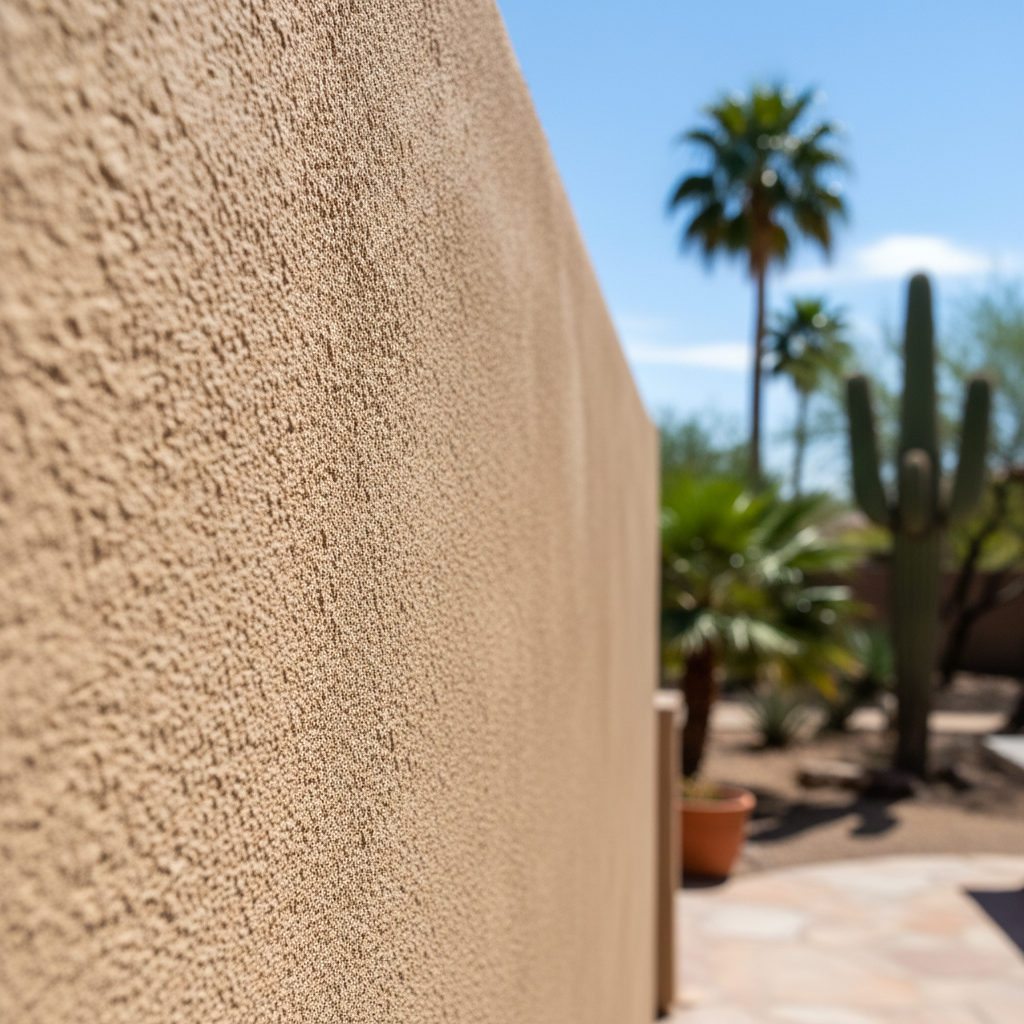
Alright, let's talk stucco. As a local contractor right here in Scottsdale, I get a ton of questions from folks about their homes. Stucco's a great material for our desert climate, no doubt, but it’s not always as simple as it looks. So, I figured I'd put together some straight answers to the stuff you're probably wondering about. No fluff, just what you need to know.
What's the deal with stucco and water? Does it cause problems?
This is a big one, and it's often misunderstood. Stucco itself isn't waterproof; it's more like water-resistant. Think of it like a good rain jacket – it sheds water, but if you sit in a puddle long enough, you're gonna get wet. The real protection comes from the layers underneath the stucco: that's your building paper, the flashings around windows and doors, and proper weep screeds at the bottom. If those aren't put in right, or if they get damaged, water can sneak behind the stucco. That’s when you run into trouble like rot or mold, especially with our monsoon rains. It’s not the stucco's fault, though; it’s usually an installation or flashing issue. Good maintenance, things like keeping your gutters clean and making sure sprinklers aren't constantly hitting your walls, helps a lot.
How long should my stucco last before I need to worry about it?
A properly installed stucco system, especially a traditional three-coat system, can easily last 50 years or even more here in Scottsdale. I've worked on homes in areas like Paradise Valley that are decades old and still have their original stucco, just needing a refresh. The lifespan really depends on a few things: the quality of the initial installation, how well it's been kept up over the years, and if it's taken any serious hits from things like hail (not common here, thankfully) or impact damage. If you're seeing widespread cracking, delamination, or bubbling, that's a sign it might be reaching the end of its functional life or has some underlying issues that need looking at.
I see small cracks in my stucco. Is that normal, or should I be worried?
Okay, let's clear this up: small, hairline cracks are pretty normal with stucco. It's a rigid material, and houses settle, foundations shift a tiny bit, and we get those big temperature swings between day and night here in the desert. These minor stress cracks, often called craze cracks, are usually just cosmetic. You'll often spot them around windows or doors where there's a lot of movement. What you really need to watch out for are larger cracks – anything wider than a credit card, cracks that run horizontally for long distances, or cracks that form a spiderweb pattern. Those can point to more serious structural movement or water getting in. If you're unsure, it's always best to have a pro take a look. We can tell the difference pretty quickly.
Can I paint over stucco, or do I need to re-stucco?
You absolutely can paint over stucco, and it's a common way to refresh your home's look without the expense of a full re-stucco job. Painting can also add another layer of protection against the elements, especially if you use a high-quality elastomeric paint designed for stucco. Before painting, though, you've got to make sure the stucco is clean, dry, and any existing cracks are properly repaired. Painting over damaged or dirty stucco is just asking for trouble down the road; the paint won't stick right, and it won't fix the underlying issues. If your stucco is severely deteriorated, crumbling, or has widespread delamination, painting isn't going to cut it. At that point, you're looking at repairs or a full re-stucco.
What's the difference between traditional stucco and synthetic stucco (EIFS)?
This is a question I get all the time. Traditional stucco, what we usually call hard-coat stucco, is a cement-based product. It's applied in multiple layers over a lath and building paper, and it's very durable and breathable. It's been around forever, really. Synthetic stucco, or EIFS (Exterior Insulation and Finish System), is a completely different animal. It's made of an insulation board, usually foam, covered with a base coat, mesh, and then a finish coat that looks like stucco. EIFS offers much better insulation properties, which is great for energy bills here in Scottsdale, but it's also a barrier system. If water gets behind EIFS because of improper flashing or damage, it can get trapped and cause serious problems since it can't dry out as easily as traditional stucco. Both have their pros and cons; it really depends on what you're looking for and the specific needs of your home.
How do I clean my stucco without damaging it?
Cleaning stucco isn't too hard, but you do need to be careful. For general dirt and dust, a soft brush and a garden hose with plain water are usually enough. For tougher stains like mildew (which can pop up in shaded, damp spots even in our dry climate), you can use a mild detergent mixed with water. Apply it, let it sit for a few minutes, then scrub gently and rinse thoroughly. If you're thinking about pressure washing, be extremely cautious. Too much pressure can damage the stucco surface, blast off paint, or even force water behind the stucco, which you definitely don't want. If you do use a pressure washer, keep the nozzle far away from the wall, use a wide fan tip, and keep the pressure low – think more like a strong rinse than a blast. When in doubt, call someone like us at Scottsdale Stucco & Plastering; we can often recommend the best approach for specific stains or bigger jobs.
Should I seal my stucco?
Sealing stucco is a good idea, especially here in Arizona where we deal with intense sun and occasional heavy rains. A good quality breathable sealer can help protect the stucco from water getting in, reduce staining, and extend the life of your finish. It doesn't make it waterproof, but it adds an extra layer of defense. You want to use a sealer that's specifically designed for stucco and allows the wall to breathe; you don't want to trap moisture inside. Most sealers need to be reapplied every few years, depending on the product and how much sun it gets. It's a relatively inexpensive way to maintain your investment and keep your home looking good for longer.
Hopefully, this clears up some of the common questions you've got about your stucco. If you've got more, or if you're seeing something on your home that worries you, don't hesitate to reach out. We're always here to help Scottsdale homeowners keep their stucco in top shape.