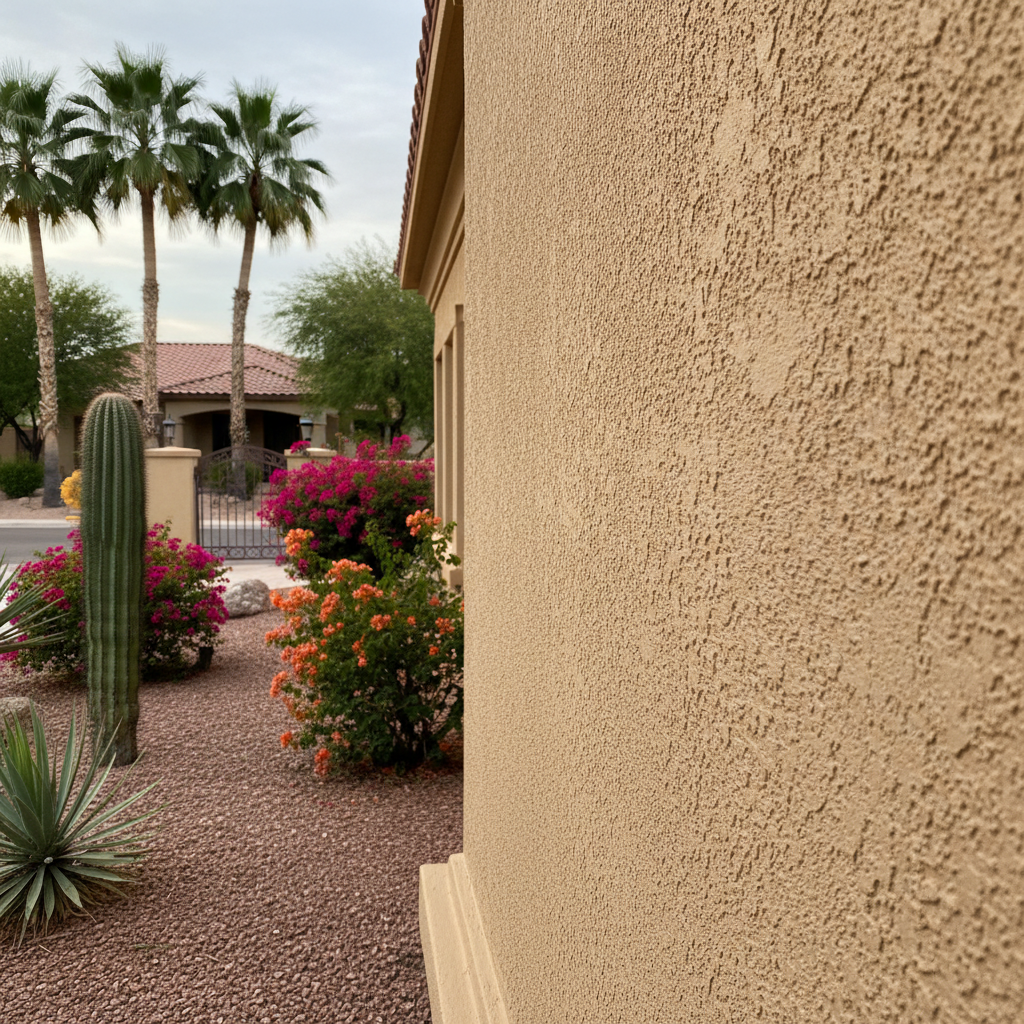
You've got EIFS, or Exterior Insulation and Finish System, on your home. That's a smart choice for energy efficiency here in Scottsdale, especially with our brutal summers. But just like anything else on your house, it's not a 'set it and forget it' deal. If you want that EIFS to last, and I mean really last, you've got to give it a little attention. I’ve been working with stucco and EIFS for years here in the Valley, and I can tell you, neglect is the biggest enemy.
Extending the Life of Your EIFS: It's All About Prevention
The good news is, EIFS is tough. It's designed to handle a lot. But our Arizona sun, the dust, and even the occasional monsoon downpour can take a toll. The key to making your EIFS last isn't some secret trick; it's consistent, common-sense care.
- Keep it Clean: Dust and dirt aren't just ugly; they can hold moisture and eventually degrade the finish. A gentle wash with a garden hose and a soft brush once or twice a year is usually all it takes. For tougher spots, a mild detergent and water mix works wonders. Just don't use a high-pressure washer too close, you don't want to damage the surface.
- Trim Your Landscaping: Bushes, trees, and vines growing directly against your EIFS are a big no-no. They can scratch the surface, trap moisture against the wall, and even create pathways for pests. Keep plants trimmed back at least 6-12 inches from the wall.
- Manage Water: This is huge. Make sure your gutters are clean and working right, directing water away from the foundation. Check your sprinkler heads too; they shouldn't be spraying directly onto your EIFS walls. Constant water exposure is a recipe for trouble, especially at the base of the wall.
Regular Maintenance: What You Should Be Looking For
Think of this as your annual EIFS check-up. Grab a pair of binoculars or just walk around your house and really look at the walls.
- Look for Cracks: Small hairline cracks are pretty normal with temperature fluctuations, but anything larger than a credit card's thickness needs attention. Pay close attention around windows, doors, and where different materials meet. Those are common stress points.
- Check for Discoloration or Stains: Dark streaks, especially under windows or near the roofline, often mean water is getting where it shouldn't. Green or black spots could be mold or mildew, which points to persistent moisture.
- Feel for Soft Spots: Gently press on the EIFS, especially at the bottom edges or around penetrations. If it feels soft, spongy, or gives way, that's a red flag for water intrusion and damage to the underlying substrate.
- Inspect Sealants: The caulk and sealants around windows, doors, and at expansion joints are critical. If they're cracked, peeling, or missing, they're not doing their job of keeping water out.
- Look at the Base: The bottom edge of your EIFS, where it meets the foundation or grade, is a vulnerable spot. Make sure it's not buried in dirt or mulch. There should be a clear gap, typically 6 inches, between the EIFS and the ground. This is called the 'grade line' and it's super important for drainage.
When to Call a Pro: Warning Signs You Can't Ignore
Sometimes, what looks like a minor issue can be a symptom of something bigger. Don't wait if you see these:
- Significant Cracking or Holes: If you've got cracks that are wide or long, or actual holes in the EIFS, you've lost your protective barrier. Water's getting in, and that can lead to rot and structural damage pretty quickly.
- Bulging or Delamination: If sections of your EIFS look like they're bubbling, bulging, or separating from the wall underneath, that's a serious problem. It means water has gotten behind the system and is causing the layers to detach.
- Persistent Stains or Mold: If you've cleaned off mold or stains and they keep coming back in the same spot, it's a sign of an ongoing water leak. You need to find the source of that moisture.
- Interior Water Damage: This is the ultimate warning sign. If you see water stains, peeling paint, or dampness on interior walls that align with an EIFS exterior, you've got a major leak.
Here at Scottsdale Stucco & Plastering, we've seen it all, from minor cracks to full-blown water damage behind EIFS. We know how to diagnose these issues, repair them right, and make sure your EIFS is sealed up tight against our Arizona elements. Don't let a small problem turn into an expensive headache. If you're unsure about anything you see on your EIFS, especially if you live in an older home in, say, McCormick Ranch where some of these systems have been around for a while, it’s always better to get a professional opinion. We can help you keep your EIFS looking good and protecting your home for decades.