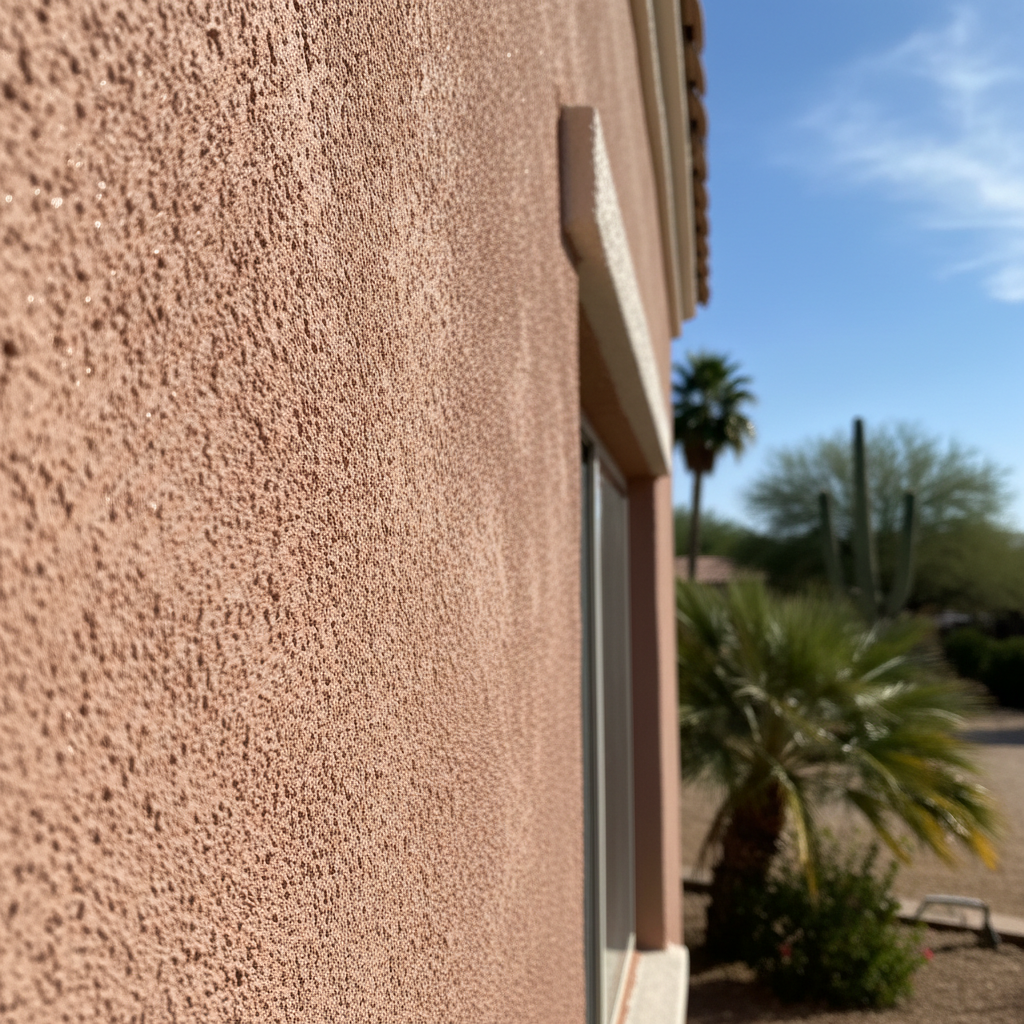
Thinking About EIFS for Your Home?
So, you're looking into EIFS for your place here in Scottsdale. Maybe you've heard good things about its insulation properties, or you like the smooth finish it can give. It's a solid system, no doubt, but like anything else, getting it right means understanding the process. I've seen a lot of EIFS jobs over the years, some great, some… not so great. The difference usually comes down to knowing what you're getting into, and when to step back and let the pros handle it.
EIFS, or Exterior Insulation and Finish System, isn't just another coat of paint. It's a multi-layered system designed to insulate your home and give it a durable, attractive exterior. Think of it as a jacket for your house. It's different from traditional stucco, and because of those differences, the installation process has its own quirks you need to be aware of.
Before the Project Starts: Your Homework
Before anyone even thinks about mixing materials, there are a few things you, as the homeowner, really need to nail down. This isn't just about picking a color; it's about making sure the foundation for the whole project is solid.
- Understand the System: EIFS isn't all the same. There are different types, primarily barrier EIFS and drainage EIFS. In a place like Scottsdale, where we get those intense monsoon downpours, a drainage system is almost always the smarter choice. It allows any water that gets behind the finish to escape, preventing moisture issues that can be a real headache down the road. You absolutely don't want water trapped against your sheathing in this climate.
- Check Your Walls: What's under your existing siding? EIFS needs a sound, stable substrate. If you've got old, rotting wood, or a wall that's not plumb and square, that needs to be addressed first. You can't just slap EIFS over a bad foundation. This is where you might need a general contractor or a structural engineer if things look really rough.
- Permits, Permits, Permits: Don't skip this. Your city of Scottsdale building department will have specific requirements for EIFS installation, especially concerning insulation values and drainage. Pulling the right permits protects you and ensures the work is up to code. A good contractor will handle this, but it's your house, so make sure it's done.
- Choose Your Contractor Wisely: This is probably the most critical step. EIFS isn't a DIY weekend project, and it's not something every stucco guy knows how to do right. You need someone with specific experience and training in EIFS. Ask for references, look at their past EIFS jobs, and make sure they're licensed and insured. At Scottsdale Stucco & Plastering, we've done our fair share of EIFS, and we know what it takes to get it done right in this desert environment.
During Installation: What to Expect
Once you've got your contractor lined up and permits in hand, the real work begins. Here's a simplified breakdown of the steps and what you should be looking for.
- Substrate Prep: The wall surface will be cleaned, repaired, and made ready for the system. This might involve installing a weather-resistive barrier (WRB) if it's a drainage system. This WRB is your first line of defense against moisture.
- Insulation Board Attachment: Rigid insulation boards (usually EPS foam) are mechanically fastened or adhesively applied to the substrate. This is where the insulation magic happens. They need to be installed tightly, without gaps, to ensure continuous insulation.
- Base Coat and Mesh: A layer of base coat (a polymer-modified cement) is applied over the insulation, and then a fiberglass mesh is embedded into it. This mesh provides impact resistance and strength. This is a critical step for durability.
- Primer (Optional but Recommended): Sometimes a primer is applied to ensure good adhesion of the finish coat and consistent color.
- Finish Coat Application: This is the visible layer. It's a synthetic finish, often acrylic-based, that comes in various textures and colors. This is where the aesthetic really comes together.
What can you do during this phase? Mostly, observe. Ask your contractor questions. Make sure they're following the manufacturer's specifications. Don't try to help apply the finish coat unless you're a professional. That's where you can really mess things up.
After Installation: Taking Care of Your Investment
Once the EIFS is up and cured, the heavy lifting is done. But your job as a homeowner isn't over. You've made a significant investment, and you want it to last.
- Curing Time: Give the EIFS time to cure properly. Your contractor will tell you how long this takes, but generally, it's a few days to a week before it's fully hardened. Avoid bumping or impacting it during this time.
- Regular Inspections: Walk around your house a few times a year. Look for cracks, dings, or any signs of moisture intrusion, especially around windows, doors, and rooflines. If you see something, address it quickly. Small problems are easy fixes; big problems are expensive.
- Keep it Clean: EIFS can get dirty, just like any exterior. A gentle wash with a hose and a soft brush can usually keep it looking good. Avoid high-pressure washers, as they can damage the finish.
- Landscaping: Make sure your landscaping isn't directing water towards the EIFS or allowing plants to grow directly against it. This is especially important in areas like Paradise Valley, where mature landscaping can sometimes get a little wild. You want good drainage away from your foundation.
EIFS is a fantastic product when installed correctly. It can give your Scottsdale home great curb appeal and energy efficiency. Just remember, it's a system that requires expertise. Know what you're getting into, pick the right people for the job, and you'll be happy with the results for years to come.